


































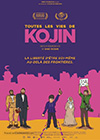
Many Lives of Kojin (The)
Original Title
Toutes les vies de Kojin- Director: Diako Yazdani
CGiii Comment
In a first-person documentary, Diako Yazdani, a political refugee in France, goes back to see his family in Iraqi Kurdistan and introduces them to a 23-year-old gay man from Kojin who seeks to exist in a society where he seems unable to to find his place. With humor and poetry, the director delivers a moving portrait where the meetings of each other invite to a universal reflection on the difference.
This arresting documentary deals with the condition of homosexuals in Iraqi Kurdistan, a highly taboo subject, where there is not even a specific term for them (if not a degrading vocabulary or the English terms). In this clan society with strict religious precepts and obsessed by the social gaze, we meet Kojin, a young gay man with impressive strength and maturity, the only one who has agreed to tell his story in front of a camera. Despite the Shari'a law, daily threats and injunctions to heal, he tries hard to establish dialogue by putting his interlocutors (his family, Imams, street people) face their irrational hate and their contradictions.
Trailer...