








































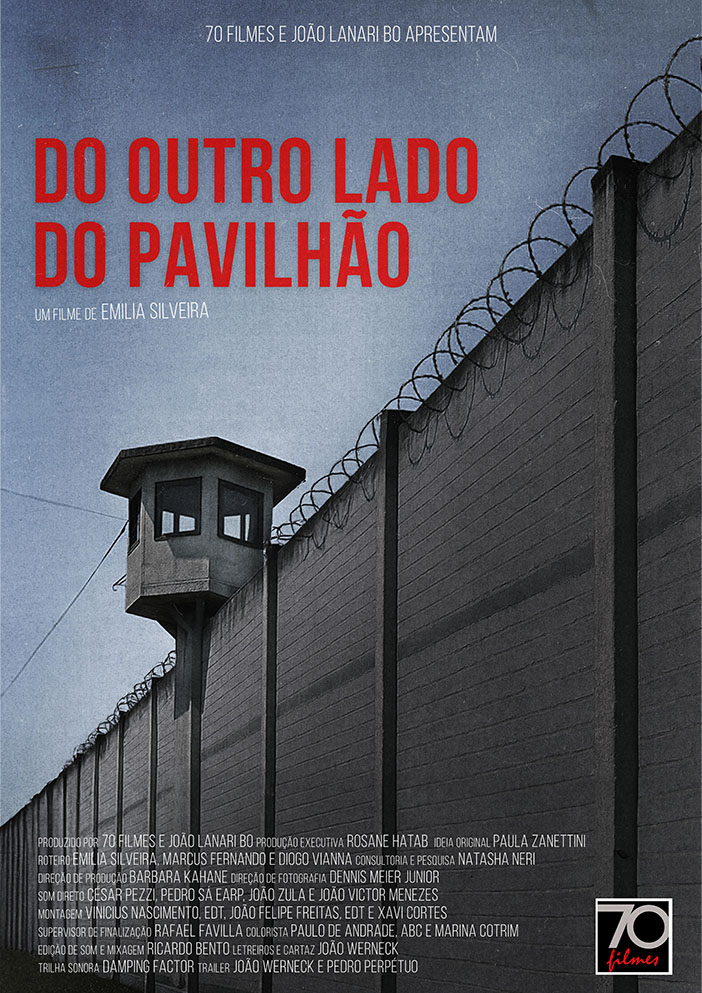
Across the Hall
Original Title
Do Outro Lado do Pavilhão- Director: Emilia Silveira
- Writer: Marcus Fernando, Emilia Silveira, Diogo Vianna
- Producer: Rosane Hatab, João Lanari
CGiii Comment
"Across the Hall (Do Outro Lado do Pavilhão)" gives a voice to women marginalized by the penal system. Érica and Núbia meet in prison and form a bond that goes beyond the bars. On parole, they recount abuses, overcrowded cells, and the loss of their female identity. Without lawyers, they face this routine with courage and humor. Their stories reveal the harsh reality of female incarceration in Brazil. The Brazilian prison system, especially for women, is a place of invisibility and neglect. The stories of these women are rarely told, and when they are, they are often treated with sensationalism and stigmatization. Across the Hall arises from the urgent need to humanize these narratives. The film aims to be a tool for social debate, questioning the effectiveness and humanity of the penal system and revealing how incarceration perpetuates a structure of violence and abandonment. It's an invitation for the public to listen to, understand, and recognize the complexity of these lives, which are often lost to society even before the end of their sentences."
No trailer...
Cast & Characters
Érica Martins ... Self
Núbia Nogueira ... Self